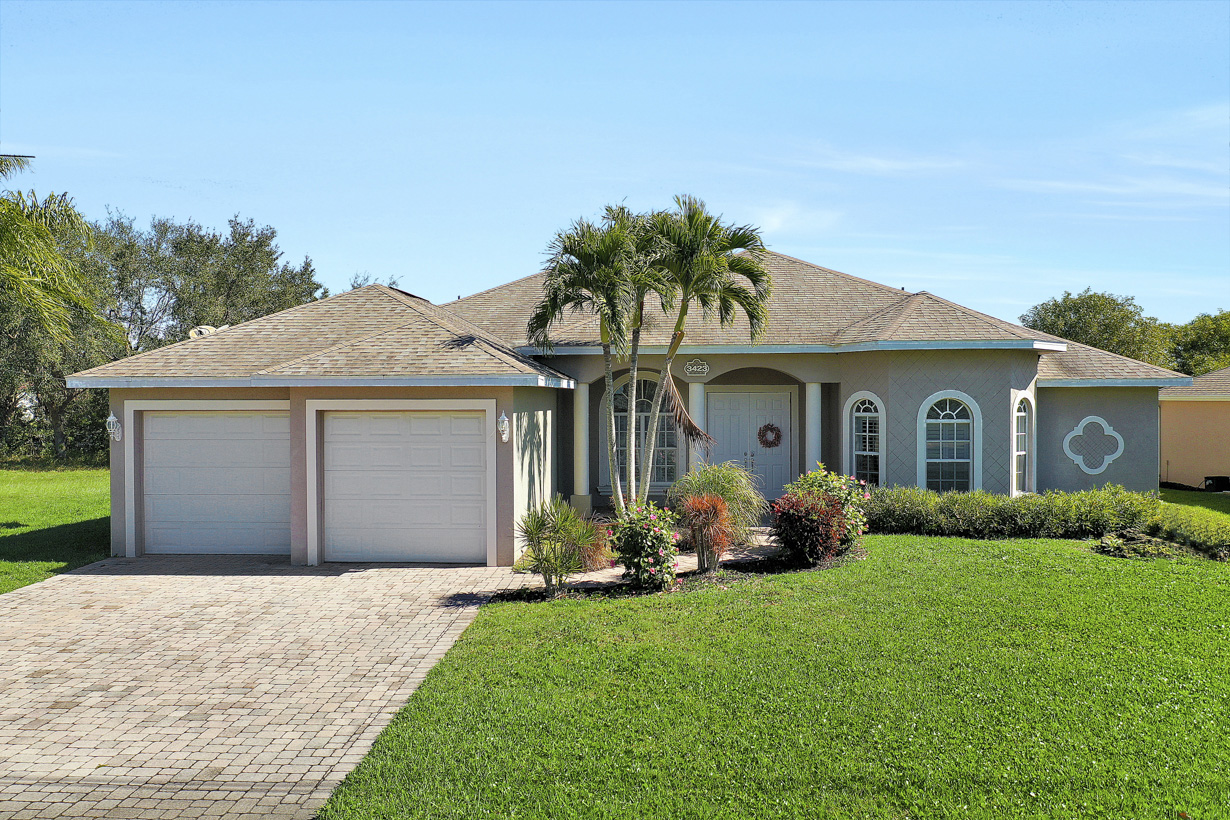
Weekly Real Estate and Lending Overview:

Home equity gains top $1 trillion in first quarter. Homeowner equity topped $1 trillion in the first quarter of 2018, according to the Q1 2018 home equity analysis from CoreLogic, a property information, analytics and data-enabled solutions provider. Homeowners with a mortgage, about 63% of all homeowners, saw equity increase by 13.3%, a total of $1.01 trillion, since the first quarter last year. The average homeowner gained about $16,300 in equity over the last year. The total number of mortgaged residential properties with negative equity decreased 3% from the fourth quarter to 2.5 million homes, or 4.7% of all mortgaged properties. This is a drop of 21% from 3.1 million homes in the first quarter last year. Home-price growth has accelerated in recent months, helping to build home-equity wealth and lift underwater homeowners back into positive equity the primary driver of home equity wealth creation,” CoreLogic Chief Economist Frank Nothaft said. “The CoreLogic Home Price Index grew 6.7% during the year ending March 2018, the largest 12-month increase in four years. The average growth in home equity was more than $15,000 during 2017, which is the most in four years. Washington led all states with 12.8% appreciation, and homeowners had larger home equity gains than the national average, according to Nothaft. The value of negative equity in the U.S. at the end of the first quarter totaled about $284.8 billion. This is up $100 million from $284.7 billion in the fourth quarter. “Home equity balances continue to grow across the nation,” CoreLogic President and CEO Frank Martell said. “In the far Western states, equity gains are fueled by a long run in home price escalation. With strong economic growth and higher purchase demand, we expect these trends to continue for the foreseeable future.”

April 23, 2021

The Buying Process: Home Inspection


A home inspection alerts you to any immediate repair concerns plus gives you an idea of what it may cost to maintain the home in good condition.


Home Inspector

Let's take a closer look at the #home_inspection process so you know what to expect, and what the inspection does and does not include.

What to Expect During A Home Inspection

Before finalizing your offer to purchase a property, your real estate agent can arrange for a home inspection. The home inspector’s job is to look for any potential problems with the home and document their findings in a report.

A home inspection isn't the same as an appraisal.

An appraisal estimates your property's value, whereas a home inspection looks for problems in the home. Another difference is that lenders will usually require an appraisal before dispersing the funds. A home inspection, however, is optional.

What Do Home Inspectors Check?

Home inspectors look for problems on the property's major structures and features such as:

          The basic structure: They’ll look for cracks on the ceiling or damage to the foundation.

          Roof and attic: They'll search for signs of damage to the roof's exterior and look in the attic for signs of water damage, insulation issues, or damage to the chimney.

          Basement:  Structural issues from water damage.

          Plumbing: Good water flow, check for leaks or blockages, and test the hot water heater.

          Electrical: Check that the electrical system is grounded correctly and review the circuit breaker, wiring, and outlets.

          Appliances: Check that the large appliances (like your oven and dishwasher) and their connections are working.

          Garage: Inspect walls and ceiling for damage and test the garage door opener.

          Other systems: They'll check the furnace, air conditioning system, and sprinkler systems.

April 23, 2021

Why shall a Buyer Use a Real Estate Agent to Buy a Home?


Does working with a #real_estate_agent matter? That's a question many first-time and experienced home shoppers have, especially when they learn that real estate agents earn a commission for their service.


Realtor


While it's possible to buy a home without a real estate agent, most home buyers and sellers choose to work with one because their expertise is well worth their fee.


Here's what you need to know about what real estate agents can do for you.

#REALTOR® versus Real Estate Agent: What's the Difference?


A real estate agent is a licensed professional who helps people buy and sell real estate. The licensing requirements vary from state to state.


Some licensed real estate agents go by REALTOR® because they have joined the National Association of REALTORS® and agree to abide by the organization's code of ethics and standards.


Can I Buy A House Without an Agent?


You aren't required to employ a REALTOR® or real estate agent to buy a property in most cases. So if you feel comfortable buying property without an agent, nothing is stopping you.


However, that does mean that you'd miss out on having a professional on your side, advising you, looking out for your best interest.

The Benefits of Using a Real Estate Agent To Buy A House


There are several impressive reasons why you'll want to use a real estate agent when buying a house.


Firstly, unless you've bought and sold many homes, you might not be aware of the housing market in your desired area. Fluctuations triggered by anything from planned developments to seasonal housing demands or even employment rates can make a big difference. Since real estate agents make it their business to know about "triggering" events, they would be well suited to advise you on getting the best deal.


They’ll also take care of most, if not all, of the paperwork that comes with real estate transactions.


And don't underestimate their expertise in negotiation! Knowing how to get more value in one part of the deal and reduce the cost in another part of the deal are two areas where real estate agents excel.


When it comes down to it, unless you're feeling supremely confident about the home buying or selling process, consider using a professional real estate agent.


Does a Homebuyer Pay A Real Estate Agent?


The seller, not the buyer, typically pays the commission for the real estate agent or REALTOR®, and this is true about both the buyer's agent and the seller's agent. An example of the way this works is that the seller agrees to pay a 7% commission to their agent, which they split with the buyer's agent.


You might think that buying a house without an agent means you can pocket the 3.5% commission that would go to your agent, but no. That's not how most real estate transactions work.


The selling agent's contract typically agrees to pay them, the selling agent, the commission. If the buyer has an agent, the seller will pay a portion (usually half) of the commission to the buyer's agent.


However, if the buyer is not using an agent, the selling agent will often keep the full commission.


Whether you choose to employ a real estate agent or not, every home buying journey begins in the same place --applying for a home loan. Visit our website to get started and see how much you qualify for.

April 23, 2021

Secrets to Winning A Bidding War In Real Estate

While the housing market remains vibrant for buying and selling, the supply is becoming a big issue in Florida. 

Low supply happens when there's an abundance of buyers but not enough houses for all of them. Many call it a "seller's market," which often results in a bidding war as multiple buyers compete for the same property. Here is how you can still get your dream home despite high competition.


Cape Coral home


The Anatomy of a Bidding War


A bidding war in real estate happens when two or more parties compete for the seller's acceptance of their offer. This stressful situation can be intensified if the owner or listing agent knows there's a lot of interest and propose that everyone submit another higher and better offer.


Thus, you have now entered a bidding war.


It's easy to get caught up in the thrill of outbidding your competitor, but it's essential to watch your step. You don't want to enter into a purchase agreement that you can't afford --all in the name of beating everyone else's offer.


That's why we recommend applying for a mortgage first. Not only will you know right away how much you qualify for, but you'll also have a trusted loan professional crunch the numbers for you, letting you know precisely what your monthly payments can be. And together with your real estate agent, you'll know up to how much you can afford to bid.


But that's not the only benefit of applying sooner rather than later. Read more below.


Get Pre-Approved For a Home Loan


Mortgage pre-approval is a big deal when there are multiple offers on one property. Being pre-approved means that you already have the financial backing that you are claiming in your offer. It also means that you are ready to move forward with the purchase now, without needing to wait for a bank's decision on your home loan worthiness.


Pre-approval also means you're bidding with confidence as well. Homeshopping is stressful enough without a bidding war and the uncertainty of making an offer without financial backing. Boost your confidence (and that of the seller) by going in already approved for a home loan.

Drop Contingencies


Sellers looking to move quickly want as few obstacles as possible. One way to do that is to omit contingencies on your offer. The last thing a seller wants to do is go through all the steps of moving the deal forward and then have to put their house back on the market because the contingency deal fell through.


This may happen with an appraisal contingency where the lender won't pay more for a house than it appraises for. But in a bidding war, you may have to go above the appraised value to win it. How buyers get around this is by paying the difference. For example, you can make an offer of the appraisal price plus $5,000.


Just remember that it's up to you to pay the difference. The lender will only pay up to the appraised value of the property.


Another contingency some buyers drop is the home inspection contingency. Some decide to waive the inspection entirely, while others have an inspection to be aware of possible issues but won't have the sale contingent on the findings.


Be Flexible


Motivated sellers love flexibility. For example, a seller may want to delay the closing date to let their children finish the school year before the move. Others may wish to move as soon as possible because they have a job waiting for them in a new city.


Whatever the case may be, the ability to be flexible with these types of situations is a huge bonus for many sellers.


Next Steps


Now that you understand how a bidding war works, you can use these strategies to get your offer to the top of the heap. Ready to get ahead? Start by getting pre-approved for a home loan with us today!

June 17, 2018

The top 10 issues affecting real estate

These are the 5 issues impacting real estate right now, and the 5 issues to look out for in the future. The Counselors of Real Estate, an advisory organization that monitors real estate, released its latest report detailing the top 10 issues affecting the real estate industry. This year, the organization divided its annual list to focus on five issues currently impacting the industry and five issues to watch for potential long-term impact over the next three to seven years.
While speaking at the National Association of Real Estate Editors spring conference today, CRE Chair Joseph Nahas discussed the organization’s list and the issues it is raising red flags on. Leading the list of current issues to watch is interest rates and the economy. While interest rates continue to climb, both the commercial and residential real estate markets are feeling changes. Nahas explained that the issues the real estate industry will see in the future are beginning to happen today. Leading the list of long-term issues impacting real estate is infrastructure – and what the organization says is a lack of effort by the U.S. to address deterioration. These are the five issues impacting real estate right now:

1. Rising rates and the economy. As we saw today, the Fed raised rates for the second time this year. CRE’s report said that increasing rates exacerbate the affordability crisis and has stakeholders concerned about a potential recession in 2019-2020, which would impact jobs. “Rising rates can actually be good – and bad – for the economy,” Nahas told the audience. “They’re bad when they increase costs. They’re good when they monitor business activity and keep inflation in check. The thinking in today’s environment by the Fed is the latter, he said “It may be painful in the short run. We may have a slower number of new home purchases or resales, or higher mortgage rates but inflation won’t get out of control.”

2. Politics and political uncertainty. Nahas explained to attendees that the mid-term elections could change the balance of power and with it, policy. “The 2018 elections are going to be telling because they’re going to determine whether or not the policies of the current administration are going to be maintained,” he said.

3. Housing affordability. The group pointed to wage stagnation, gentrification and a low supply of affordable homes and apartments, plus two decades of housing underproduction that has dramatically impacted the residential housing market. “The local control of housing decisions is problematic,” Nahas told the audience. “Decision makers ... are beholden to voters and not to the economics of the housing market and as a result, they don’t respond to what is necessary from the perspective of housing that would be affordable and demanded by families, etc." Nahas told the audience that the solution is quite simple. “It’s a supply and demand problem,” he said. "If we can increase the supply of housing, we can lower the pricing." The problem, he added, is convincing local officials to expand density.

4. Generational change and demographics. The organization advised that for the first time in more than 50 years, there are four groups influencing both commercial and residential real estate: Millennials, Baby Boomers, Gen X and Gen Y. On the rising tide of Millennial homeownership, Nahas said “We have more people today under 40 influencing real estate. That affect has not been fully felt yet. It’s going to take some time. It’s going to happen faster, because everything in this era happens faster.”

5. E-commerce and logistics. Technology is continuing to disrupt, and how we are buying things change, Nahas observed. The group said that there is concern of retail sector volatility, including the rise of e-commerce and logistics that support warehousing and delivery of goods.


And here are the 5 issues to look out for in the future:?

1. Infrastructure. The group called out the United States’ recent D+ infrastructure rating from the American Society of Civil Engineers, stating that there is a “lack of serious effort” by the U.S. to address its failing infrastructure. New residential housing developments require new infrastructure, such as water, power and sewer services. The group also stressed that an absence of developed public transit hampers development, creates congestion and ultimately increases costs.
2. Disruptive technology. Nahas said this could be considered a current issue but “we’ve debated and determined that tech is moving so quickly that it’s an evolution,” he said. The organization’s report notes that the impact on residential areas include an increased demand for connectivity, smart homes, and can cause older structures to be less desirable. Nahas told attendees the tech wild card is blockchain, which he said has potential to disrupt real estate in a significant way, in different areas from transactions to titles.
3. Natural disasters and climate change. Despite all the data and press coverage, natural disasters are unpredictable and this plays havoc on homeowners and developer and increases risk to homes, both single-family and multifamily, the organization said.
4. Immigration. Immigration affects the skilled and unskilled labor pool, Nahas said. Additionally, immigration impacts both residential and commercial real estate and affects both urban and suburban areas, Nahas pointed out. Residentially, changes in immigration policy mean fewer new households, reduced rental/owner demand, reduced broker transactions, the organization said in its report. “Policy as we know, is contentious,” Nahas said, adding that it’s an issue to be thought about today but will have larger implications in the next 3 to 5 years.
5. Energy and water. “Owners and developers and investors must consider what the state of energy and water is when building,” Nahas said. Residential real estate is impacted as the cost to extend utilities at the edge of urban areas increases, he said. “On the heels of that, we have regulatory and environmental actions, which are unpredictable that impact, and therefore, projects that are being considered must be looked at relative to this implication. The group also released a watch list of areas to keep an eye on, too. These include construction costs, tax cuts, urbanization/suburbanization and societal leadership and activism.


 

Posted in Market Updates
June 12, 2018

Weekly Real Estate and Lending Overview

CoreLogic: Home equity gains top $1 trillion in first quarter. Homeowner equity topped $1 trillion in the first quarter of 2018, according to the Q1 2018 home equity analysis from CoreLogic, a property information, analytics and data-enabled solutions provider. Homeowners with a mortgage, about 63% of all homeowners, saw equity increase by 13.3%, a total of $1.01 trillion, since the first quarter last year. The average homeowner gained about $16,300 in equity over the last year. The total number of mortgaged residential properties with negative equity decreased 3% from the fourth quarter to 2.5 million homes, or 4.7% of all mortgaged properties. This is a drop of 21% from 3.1 million homes in the first quarter last year. Home-price growth has accelerated in recent months, helping to build home-equity wealth and lift underwater homeowners back into positive equity the primary driver of home equity wealth creation,” CoreLogic Chief Economist Frank Nothaft said. “The CoreLogic Home Price Index grew 6.7% during the year ending March 2018, the largest 12-month increase in four years. The average growth in home equity was more than $15,000 during 2017, which is the most in four years. Washington led all states with 12.8% appreciation, and homeowners had larger home equity gains than the national average, according to Nothaft. The value of negative equity in the U.S. at the end of the first quarter totaled about $284.8 billion. This is up $100 million from $284.7 billion in the fourth quarter. “Home equity balances continue to grow across the nation,” CoreLogic President and CEO Frank Martell said. “In the far Western states, equity gains are fueled by a long run in home price escalation. With strong economic growth and higher purchase demand, we expect these trends to continue for the foreseeable future.”

Posted in Market Updates